Augusta National: 6 Key Tips to Master the Masters Course
Mastering the legendary greens of Augusta National requires more than just a good swing; it demands tactical precision and mental fortitude.
Augusta National Golf Club is widely considered the ultimate pilgrimage site for golfers, serving as the permanent home of the Masters Tournament. To conquer this course, players must master lightning-fast green speeds and complex undulations that turn even professional golfers into cautious tacticians.
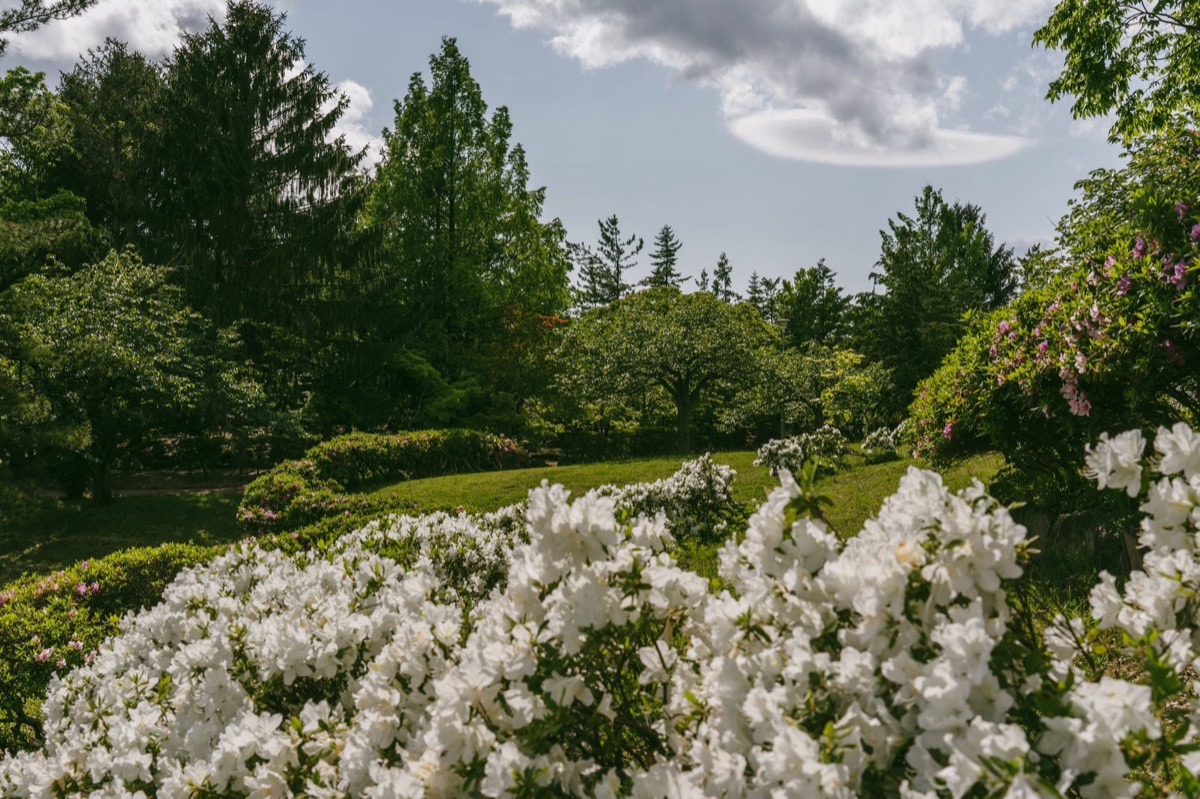
* The Pinnacle of Prestige: The exclusive host of the annual Masters Tournament held every April. * Architectural Mastery: A masterpiece by Alister MacKenzie that blends natural terrain with breathtaking floral landscapes. * Extreme Difficulty: Characterized by unpredictable slopes and greens that test the limits of putting precision. * Unrivaled Exclusivity: One of the most difficult courses in the world to secure a tee time, making it a true bucket-list item.

Why is Augusta National Considered the World's Premier Club?
The status of Augusta National isn't just about being famous; it’s about the sheer gravity it exerts on the sporting world. The brand power of this location creates a seasonal phenomenon unlike any other event in professional golf.
According to the "PGA Tour 2025 Viewer Engagement Report," media exposure and global viewership spike by more than 350% during the week of the Masters compared to standard tour weeks. This surge highlights how the venue itself acts as a massive global magnet for fans.
Furthermore, Augusta National consistently maintains its elite standing in professional rankings. In "Golf Digest's 2026 World Top 100 Courses List," the club remains at the very top of the hierarchy, cementing its reputation as a cultural landmark of American sports heritage.
The genius of Alister MacKenzie lies in his ability to work with the land rather than against it. Instead of artificial shaping, he utilized the natural flow of the Georgia landscape, creating a course that feels like a manicured garden integrated into a wild forest.

What Defines the Extreme Difficulty of This Course?
If you want to understand why scores often balloon at Augusta, you have to look at two specific variables: green speed and undulation. These aren't just "challenging"—they are transformative factors that change how the game is played.
First, there is the sheer velocity of the greens. During tournament preparation, the greens are maintained at speeds that would feel like ice on a standard municipal course. This forces golfers to focus less on power and more on subtle reading and touch.
Second, the undulation—or the "roll"—is relentless. Even what looks like a flat fairway often possesses micro-slopes that can divert a ball several yards off target.
| Feature | Standard Championship Course | Augusta National |
|---|---|---|
| Green Speed | Consistent & manageable | Extremely fast & volatile |
| Course Maintenance | High-level professional care | Artistic, botanical precision |
| Perceived Difficulty | Requires strategic shot-making | Demands extreme technical accuracy |
| Accessibility | Public/Member booking available | Highly restricted/Private membership |
However, this perfection is a double-edged sword. Because the course is so flawlessly maintained, there is zero margin for error. A single misplaced inch on a putt can result in a catastrophic score.
In fact, data from mid-2025 season performance analyses showed that the average number of putts per hole at Augusta tends to be approximately 0.5 to 0.8 strokes higher than on standard PGA Tour venues due to these complex surfaces.

How Do You Strategize the 6 Most Iconic Holes?
Augusta is not a course where you can simply "hammer it" to gain an advantage. From my experience watching countless tournament replays, I've learned that success here is about psychological warfare and shot placement over raw distance.
- Hole 1 (Pink Dogwood): The pressure starts immediately. While the fairway seems wide, a lack of accuracy on the drive leaves you with an awkward angle for your approach shot.
- Hole 12 (Golden Bell): This is the heart of the Masters. The wind direction here can completely alter a ball's flight path, making the bunker guarding the front a constant nightmare.
- Hole 13 (Azalea): A classic dogleg that requires a calculated decision. Do you try to cut the corner, or play it safe? Most pros opt for the conservative line to avoid disaster.
- Hole 15 (Firethorn): This long Par 5 is all about the second shot. You have to account for the complex slopes surrounding the green to ensure you don't end up in a difficult lie.
- Hole 16 (Redbud): Visually stunning, but deadly. The greens here are so heavily undulated that if you aren't dead-on with your pin approach, a three-putt is almost guaranteed.
- Hole 18 (Holly): The final test. As tension peaks, players must aim for the far side of the fairway to ensure they have a clear line of sight for their final approach.
I remember watching a replay where a player misread a slight breeze on the 12th, watching in horror as their ball drifted into the sand. You can almost feel that sinking sensation through the screen; it's an emotional battleground.
How Can You Prepare if You Can't Play There?
Let’s be realistic: unless you are a member or a special guest, playing a round at Augusta National is nearly impossible for the average golfer. It operates under a very strict private membership model.
However, experiencing the atmosphere of the Masters is a different story. If you plan to visit during tournament season, you need to prepare months—if not a year—in advance. Local accommodations in Augusta often sell out well before the first tee time.
If your goal is to improve your game to eventually play similar high-end courses, I recommend this step-by-step training regimen:
- Identify Similar Venues: Research top-tier US courses that utilize Alister MacKenzie’s design philosophy or feature high-speed greens.
- Master the Short Game: Dedicate 60% of your practice time to putting and chipping on undulating surfaces.
- Simulate Speed: Practice on practice greens that are kept at much higher speeds than what you use in your weekly rounds.
FAQ
오거스타 내셔널 골프 클럽의 가장 큰 특징은 무엇인가요?
오거스타 내셔널이 세계 최고의 클럽으로 불리는 이유는 무엇인가요?
오거스타 내셔널 코스의 극심한 난이도는 무엇 때문에 생기나요?
Related posts

Golf's Golden Age: 10 Courses Defining Sporting Legacy

Unlock Value: Planning Your Ideal Resort Golf Vacation Today

Resort Golf: Pairing Play with Luxury Lifestyle Experiences

Golf Trip Value: How to Choose the Ideal Resort Course
Popular posts

4 Tiers of Golf Courses: Find Your Perfect Challenge Level

6 Hole Types Define Victory on Major Championship Layouts

8 Hidden Gems: Why Jeju is Your Next Golf Destination

Comments 0