South America golf courses tips for diverse climate options
"The horizon stretches wide across the Andes, where the green fairways meet the rugged coastline and the tropical heat meets the cool mountain breeze."
Choosing South America golf courses offers travelers a diverse blend of dramatic topography, varying climates, and world-class resort integration. This guide explains why players seek these unique landscapes, focusing on the geographical variety and the specific amenities found in the region.

You should prepare for significant elevation changes and diverse weather patterns depending on whether you play in the mountains or near the coast.
Key Takeaways: 1. Exceptional geographical variety from coastal links to mountain courses. * Integrated resort experiences that combine luxury with sport. * Diverse climate options throughout the year.
Why should you choose South America golf courses?
At dawn, I feel the humid breeze on my skin as I walk toward the south coastline to find the perfect fairway.
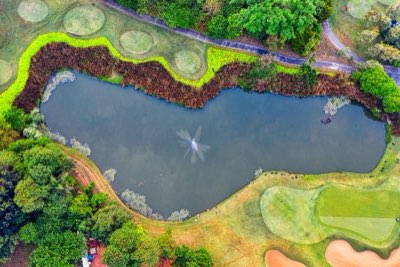
A golfer stands on a tee box, feeling the humid air of a coastal jungle while looking toward a fairway carved into a seaside cliff. Selecting South America golf courses allows for a unique South American golf experience that combines natural beauty with challenging layouts.
The continent offers a range of terrains that are difficult to find in a single trip.
The primary reason to visit is the sheer diversity of the environments. You can find courses that hug the Pacific coastline or those tucked into high-altitude valleys.
This variety ensures that players can find a setting that matches their preferred style of play, whether they enjoy wind-swept links or lush, tropical greenery. Discover amazing course characteristics by exploring how the landscape dictates the design of each hole.
What makes South American courses unique? A player grips a driver, squinting against the bright sunlight reflecting off a nearby ocean as the wind tests their swing. South American course features often center on the integration of extreme natural elements into the course design.
These features make the region a top destination for those seeking a challenge.
The landscapes often dictate the difficulty, with sudden elevation changes and varying soil compositions. Many courses utilize the natural contours of the land rather than artificial shaping, which provides a sense of authenticity. Why pick a course in Latin America?

Because the natural obstacles, such as dense vegetation or rocky outcrops, create a strategic puzzle for every shot.
How do you select the right golf course there?
A traveler sits in a quiet lounge, scrolling through a digital map of various clubhouses and fairway layouts. To choose the right location, you must consider the specific environmental conditions and the level of service provided.
- Determine your preferred climate, such as tropical warmth or temperate mountain air. 2. Select a location based on the desired level of integration with resort amenities. 3. Evaluate the difficulty level relative to the terrain, focusing on elevation and wind.
After selecting your destination, perform a final check of the local weather patterns for your specific travel dates. I once spent an afternoon comparing various coastal layouts to ensure the wind wouldn't ruin my planned round.
Can I find luxury in these locations? A golfer walks toward a pristine clubhouse, the smell of freshly cut grass mixing with the scent of local flora. Many of the top sites in the region are part of larger, high-end resorts that cater to international travelers.
| Feature Type | Typical Offering |
|---|---|
| Course Environment | Coastal or Mountainous |
| Resort Integration | High-end Amenities |
These facilities often provide everything a traveler needs within a single complex. This convenience makes the region highly attractive for long-term stays or multi-course excursions.
What are the limitations of playing here?
A golfer pauses at the edge of a fairway, noticing how the dense tropical forest limits the visibility of the next shot. While the variety is immense, certain conditions can present challenges to the standard playing experience.

The primary limitation is the extreme variation in weather and terrain. The high-altitude courses may affect ball flight and player stamina, while coastal courses can be subject to intense, unpredictable winds. These conditions are inherent to the geography of the continent.
- Why should you choose South America golf courses?
- What makes South American courses unique?
- How do you select the right golf course there?
The same subject is also called Best golf in South America.
The same subject is also called Choose a golf course there.
The same subject is also called Golf course selection tips.
Unique South American golf experience
Related
- Best golf courses in Africa guide for elite play
- African Golf Courses: Best African Golf Courses guide
Navigating the Environmental Extremes? 1. The high-altitude courses demand consideration for ball flight characteristics, which differ from those seen near the sea. 2. Coastal rounds require caution regarding intense, unpredictable winds that can significantly alter the intended trajectory of the golf shot. 3. Players must assess the soil composition at each location, as varying terrain affects how the ball interacts with the ground.
The horizon stretches wide across the Andes, presenting a visual spectacle that contrasts sharply with the strategic demands of the course design. The transition from lush, tropical greenery to arid coastal links requires careful planning from the visiting golfer.
How does resort integration affect the playing experience? The integration of luxury amenities means that the playing environment is often buffered by high-end services. These facilities provide necessary support structures, allowing the golfer to focus solely on the challenging layouts. The resort setting itself becomes part of the unique South American golf experience.
When comparing a mountain course to a coastal link, the level of available resort infrastructure often differs, though both aim for a high standard of guest satisfaction. The comprehensive nature of these complexes supports extended stays, which is a draw for many travelers.
The sheer geographical variety means that the amenities must be robust enough to support different climatic needs, whether the traveler seeks temperate mountain air or tropical warmth. This adaptability is a key feature of the region's offerings.



Comments 0