Historic course golf trip tips for best playing experience
Selecting a historic course is the most effective way to ensure a golf trip delivers both strategic challenge and cultural depth. For travelers seeking more than just a round, these venues offer a connection to the evolution of the game through time-tested layouts. This guide examines why course history impact trip quality, how to evaluate legacy venues, and the specific benefits of choosing established landmarks. 1. Historical layouts provide authentic strategic challenges. 2. Legacy courses offer unique architectural insights. 3. Heritage sites often feature superior site-specific character.
Why is a historic course essential for a golf trip?

At dawn, I run my hand over the rough grass of a historic fairway while feeling the morning chill.
A golfer stands on a weathered fairway, feeling the texture of turf that has hosted legends for decades. Choosing a historic course ensures that your travel investment translates into an encounter with the game's true roots.
These venues are not merely playgrounds; they are living museums where every bunker and slope tells a story of architectural evolution.
A classic golf course choice prioritizes the integrity of the original design, which often relies on natural terrain rather than artificial shaping. When you prioritize these sites, you experience the "intent" of the era in which they were built.
This depth of character is often missing from modern, mass-produced layouts that rely heavily on heavy machinery to create artificial difficulty.
An old course travel guide would emphasize that history dictates the rhythm of play. The way a hole was conceived a century ago dictates how you must approach it today, forcing a mental engagement that modern courses rarely demand.
This connection to the past transforms a simple vacation into a meaningful pilgrimage.
How does course history impact trip success? Historic course golf trip
I walk through the misty linksland at noon, breathing in the sharp scent of salt air near the historic bunkers.
Walking through a misty morning at an ancient linksland, the scent of salt air mixes with the anticipation of tackling a legendary hole. The impact of course history on play is profound because it shifts the focus from pure power to tactical precision.
Travelers who select these venues often report a higher level of satisfaction because the difficulty feels earned and organic.
The success of a golf trip depends on the variety of experience provided. A historic course offers a sense of place that modern resorts cannot replicate through landscaping alone.
By selecting a site with a deep lineage, you ensure that your itinerary includes a venue that has stood the test of time and changing player styles.
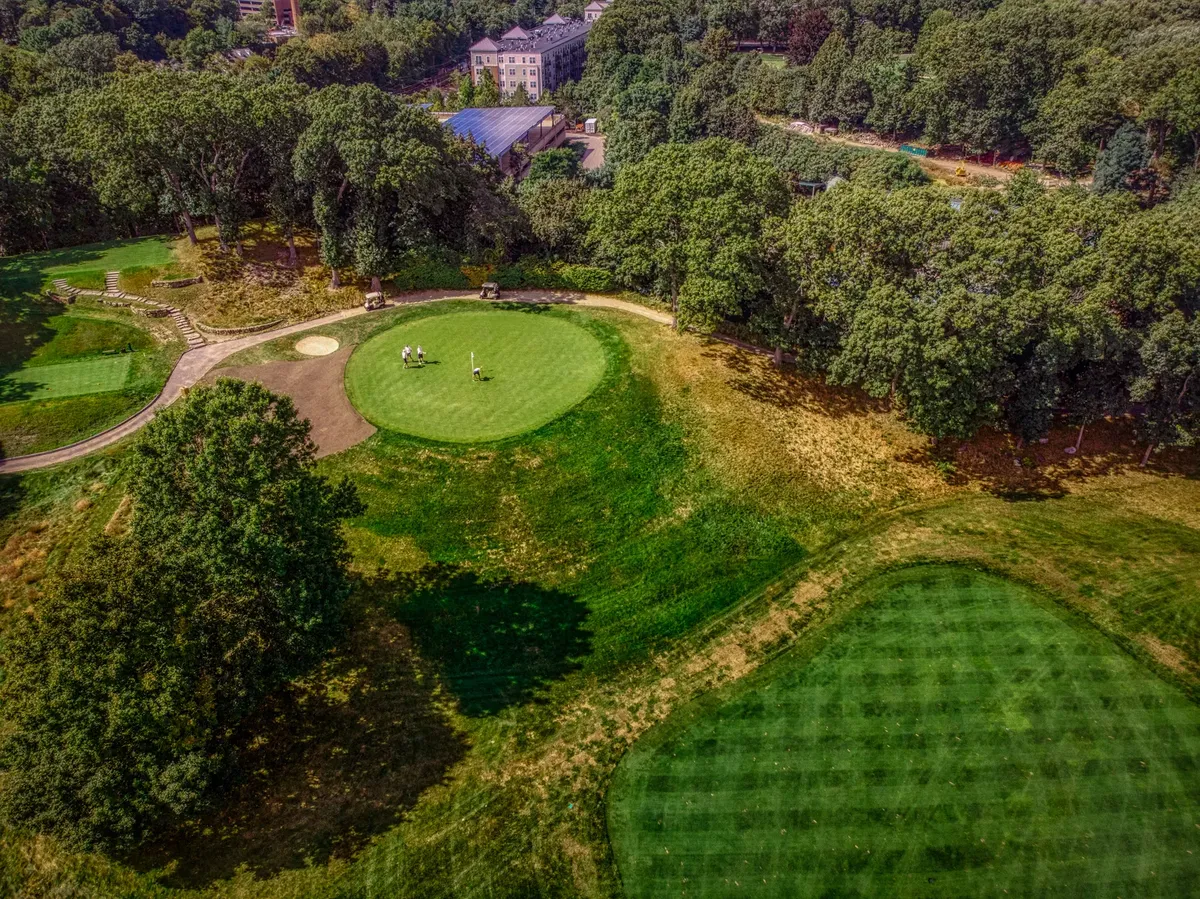
I found that walking the same paths as past champions changed my perspective on every shot I played. This personal connection to the game's heritage is the primary reward for those who seek out legacy venues.
It turns a standard outing into a memorable event that resonates long after the final putt is sunk.
What makes a layout legendary? A golfer examines a faded wooden sign at the clubhouse, noting the decades of tournament history etched into the wood. Identifying a premier historical site requires looking past modern amenities to find the core architectural DNA.
According to the American Society of Golf Course Architects, he is a member and past president of the American Society of Golf Course Architects (ASGCA), who is noted for designing and renovating many golf courses and clubs, including U.S.
These hallmarks define why certain courses remain relevant across generations.
- Integration with the natural landscape, where the terrain dictates the routing rather than fighting against it. 2. Strategic bunkering that uses traditional shapes and placements to challenge specific shot types. 3. A routing that respects the natural contours of the land, creating a sense of flow and continuity.
After completing these observations, perform a final check by looking at the green complexes; historical excellence is often found in the subtle, non-manufactured undulations of the putting surfaces.
How do modern and historic courses differ? A traveler sits in a quiet lounge, comparing the sleek, polished feel of a new resort to the rugged, weathered charm of a classic club. Understanding these differences helps in making an informed decision for a high-stakes golf holiday.
| Feature | Modern Resort Courses | Historic Legacy Courses |
|---|---|---|
| Primary Challenge | Artificial hazards and length | Natural terrain and strategic angles |
| Architectural Style | Heavy machine-shaped contours | Site-specific, organic routing |
I prefer the way a historic course forces me to respect the environment rather than just conquering it.
Can any historic course be a good choice?
A player pauses at the edge of a steep ravine, realizing that some old designs may lack the length required for the modern power game. While history provides character, it also brings specific limitations that a traveler must acknowledge before booking.

The primary limitation is that some historic designs may not accommodate the extreme distances achieved by modern equipment, potentially making certain holes feel shorter or less challenging than intended.
This condition is most common on courses built before the advent of high-compression balls and oversized drivers.
The subject here is Historic course golf trip.
The same subject is also called Best historical golf tours.
This part also covers Why choose old golf courses?.
This part also covers Success factors in golf travel.
Why choose old golf courses?
Related








Comments 0