Golf Courses 40% in US: Continent Golf Trip Guide Tips
"The landscape of global golf is shifting, moving from mere playgrounds to integrated natural spaces that define regional character."
Choosing a destination for a golf trip requires understanding the global distribution of courses and the environmental standards of various regions. This guide explores why certain continents dominate the sport and how to select a location based on course density and sustainability.
Key takeaways include the heavy concentration of courses in specific nations, the importance of environmental certification, and how land use has evolved over time.
Why does the United States dominate the global golf landscape?
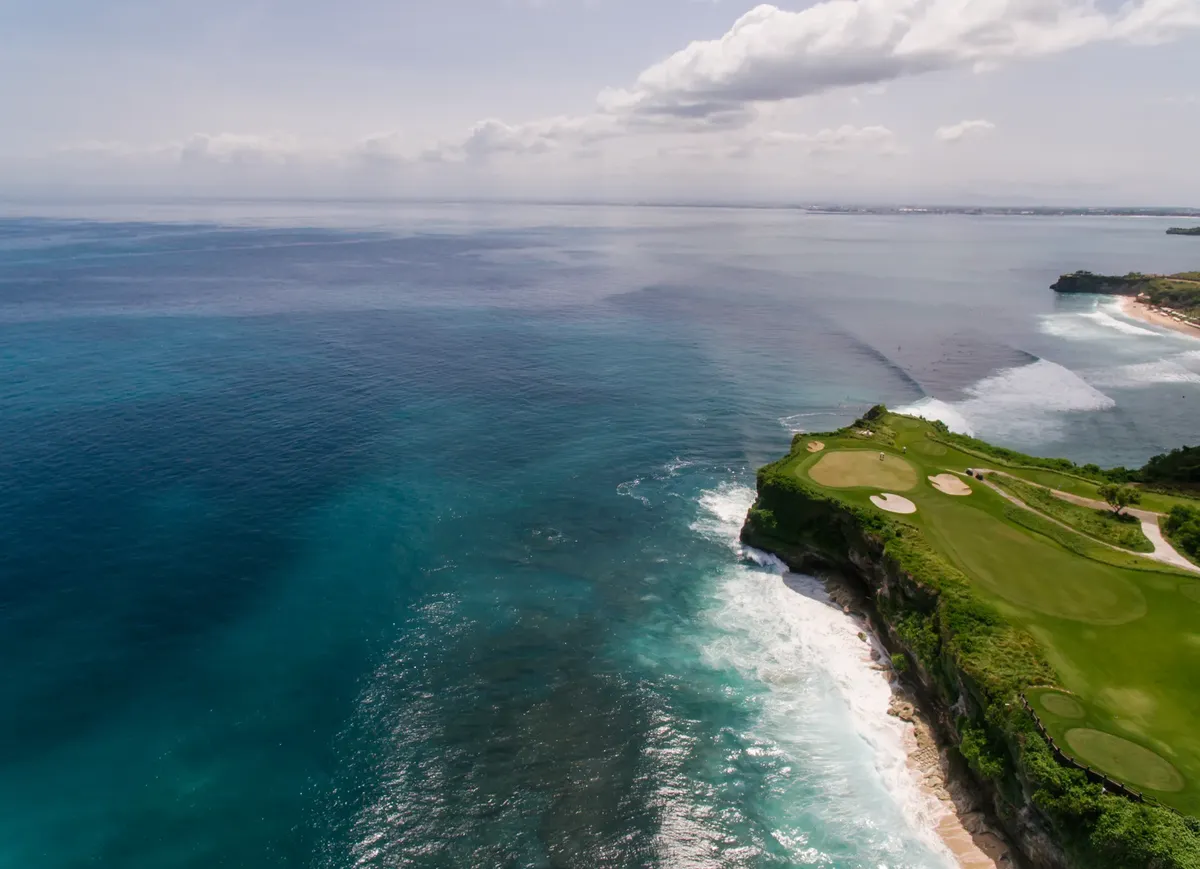
At sunrise, I grip my club tightly while overlooking the vast American plains that define the global golf landscape.
A traveler stands on a sprawling fairway in the American Midwest, looking out over endless rolling hills of manicured grass. The United States holds over 40% of all golf courses in the world. This massive concentration makes it a primary hub for any global golf tour.
The sheer volume of available courses ensures that players can find diverse playing conditions within a single country. This density is a major factor in why travelers flock to North America.
Because the United States holds such a high percentage of the world's supply, the variety of layouts is unmatched.
The country possesses a vast amount of available land and a deeply ingrained culture of club membership and competitive play.
How are global golf courses distributed among different countries?
An explorer looks at a map, tracing lines from the temperate coasts of Scotland to the lush landscapes of South Korea.
A 2019 study revealed that 78% of the world's supply of golf courses are located in 10 countries: the United States, Japan, Canada, England, Australia, Germany, France, South Korea, Sweden, and Scotland.
This concentration means that most professional-grade layouts are clustered in these specific nations. Travelers often choose these ten countries to maximize their chances of experiencing world-class golf.
Selecting a destination within this group guarantees access to a high density of well-maintained facilities.
The distribution of these courses offers a Continent Golf Trip Guide for those seeking specific climates or traditional styles. By focusing on these ten nations, players can navigate the most reputable regions.

Course density varies significantly, with high concentrations in temperate regions and countries with established leisure economies.
What role does environmental sustainability play in course selection?
As the warm breeze brushes my skin, I walk through the lush sanctuary to inspect how the grass supports sustainable golf.
A golfer walks through a sanctuary-style course, noticing how the greenery blends seamlessly with local wildlife habitats.
Audubon International has an educational and certification program for golf courses to achieve higher environmental standards and become a Certified Audubon Cooperative Sanctuary.
Choosing a certified course ensures that the playing environment adheres to specific ecological guidelines. This is an important consideration for travelers who value nature conservation alongside their sport. These certifications represent a commitment to maintaining healthy ecosystems.
When planning a trip, looking for these standards can help identify high-quality, sustainable destinations. This aspect of modern golf management is becoming a deciding factor for many travelers.
Planners increasingly prioritize sites that allow for natural water drainage and minimal disruption to local ecosystems.
How has land use changed for former golf courses?
A hiker wanders through a vibrant public park that used to be a quiet fairway years ago. In the United States, the American Society of Landscape Architects reported that since 2010 at least 20 defunct courses have been turned into public parks and natural areas.
This shift demonstrates how the footprint of the sport can evolve to serve broader community needs. Not every golf course remains a course forever, and these transformations change the available travel options.

Understanding this history helps travelers recognize the changing nature of recreational land.
This evolution shows that the sport is deeply connected to local land management and community planning. It also highlights how the availability of courses can change over time.
Many decommissioned courses are being repurposed into residential communities or public parks.
How has nutrient management improved on professional courses?
A groundskeeper carefully monitors the soil to ensure the grass remains healthy and vibrant for the next round.
In a study conducted on US golf courses between 2007 and 2014, it was found that courses decreased their annual nutrient use by 34% for nitrogen, 52% for phosphorus pentoxide, and 42% for potassium oxide.
These reductions show a significant move toward more efficient and eco-friendly maintenance practices. For the traveling golfer, this means playing on courses that are increasingly managed with environmental health in mind. This trend is a vital part of the global shift in course management.
These improvements in chemical use reflect a broader commitment to sustainability across the industry. Such progress is essential for the long-term viability of golf destinations.
Modern techniques focus on precision application to ensure turf health while preventing runoff into surrounding water bodies.
What are the steps for evaluating a golf destination?
A traveler sits in a quiet hotel lobby, reviewing maps and environmental reports to plan the perfect itinerary. To select the best location, follow these steps:

- Identify the primary regions of interest by looking at the high-density countries identified in global studies. 2. Check for environmental certifications, such as the Audubon Cooperative Sanctuary, to ensure sustainable play. 3. Verify the current land use and availability of courses in the specific area of interest.
I found that comparing these factors helped me narrow down my travel plans more effectively. This systematic approach ensures a well-rounded experience.
One limitation is that the availability of courses can change due to land conversion, as seen in cases where courses are turned into public parks.
- Assess the quality and maintenance of the playing surfaces.
- Evaluate the accessibility and proximity of the course to major transportation hubs.
- Review the variety of amenities and lodging options available in the area.
Related
- Course choice Major tournament course choice guide
- Major Course 6 Hole Guide: Guide to Winning Golf Round Tips
What factors influence the regional character of a golf destination? 1. The concentration of courses dictates the sheer variety of playing conditions a golfer might encounter within a single area. 2. Environmental standards, such as those certified by Audubon International, shape the ecological character of the landscape. 3. The history of land use reveals how the sport interacts with broader community planning in a given region.
These elements combine to define the unique regional character of a golf destination, moving it beyond a simple collection of fairways. The global landscape reflects these varied influences on course development and maintenance.
Comparing the density of courses in the United States to those in other nations illustrates how national distribution affects the overall golfing experience. A traveler interested in a specific climate should use the Continent Golf Trip Guide to narrow their search within the global landscape.
Are there differences in sustainability efforts across countries? Sustainability efforts show variation across the global landscape, though the trend toward improved nutrient management is evident. The documented reductions in chemical use on US courses provide a benchmark for eco-friendly maintenance practices. While the article notes general environmental certification, specific regional comparisons of these standards are not detailed.
The commitment to ecological guidelines, as represented by certifications, suggests a shared goal across different nations to manage the sport responsibly.
However, the evolution of land use, seen in the transformation of defunct courses into public parks, presents a localized condition affecting course availability.
Understanding these conditions allows a prospective visitor to align their travel goals with the actual environmental and structural makeup of the destination.
Wikipedia: Golf course Based on the retained excerpt mentioning American Society of Landscape Architects: In the United States, the American Society of Landscape Architects reported that since 2010 at least 20 defunct courses have been turned into public parks and natural areas.
FAQ
How much of the world's golf courses are in the United States?
Popular posts
4 Tiers of Golf Courses: Find Your Perfect Challenge Level
6 Hole Types Define Victory on Major Championship Layouts

8 Hidden Gems: Why Jeju is Your Next Golf Destination

Comments 0