St Andrews Golf: Why You Must Book 1 Year in Advance
Walking the hallowed grounds where the game began is a spiritual experience that no simulator can ever replicate.
Securing a tee time at St Andrews or other premier European links courses requires planning at least 6 to 12 months in advance due to overwhelming global demand. To succeed, you must master low-trajectory shots and learn to play with—rather than against—the unpredictable coastal winds.
* Historical Significance: The Old Course at St Andrews is the undisputed birthplace of golf and a lifelong bucket list destination. * The Links Challenge: Expect sandy terrain, firm fairways, and heavy winds that dictate every club selection. * Strategic Play: Unlike manicured American resort courses, these layouts demand you read the natural contours of the dunes. * Advance Planning: Due to extreme popularity, booking your flights and tee times a year out is highly recommended.

Why Are Golfers Obsessed With Heritage Tours?
The modern golf traveler is shifting away from pampered luxury resorts toward "heritage tourism." Instead of chasing pristine, artificial greens, players want to touch the history that shaped the sport.
According to VisitScotland's 2025 industry report, spending by international golfers visiting classic European courses has surged by approximately 12% compared to 2024 levels. This trend highlights a deep desire to experience the authentic roots of the game.
Furthermore, the Royal & Ancient Golf Club of St Andrews noted in their 2026 seasonal outlook that visitor interest in historic walking tours has increased by 15%. Players are looking for stories, not just scorecards.
For many, playing a links course is more than a round of golf; it is a pilgrimage. While an American country club might offer perfection and predictability, the legendary courses of Scotland and Ireland offer character and struggle.
Global travel surveys consistently rank "playing a true links course" as a top-three bucket list item for golfers worldwide. The allure of the elements remains unmatched by any modern facility.
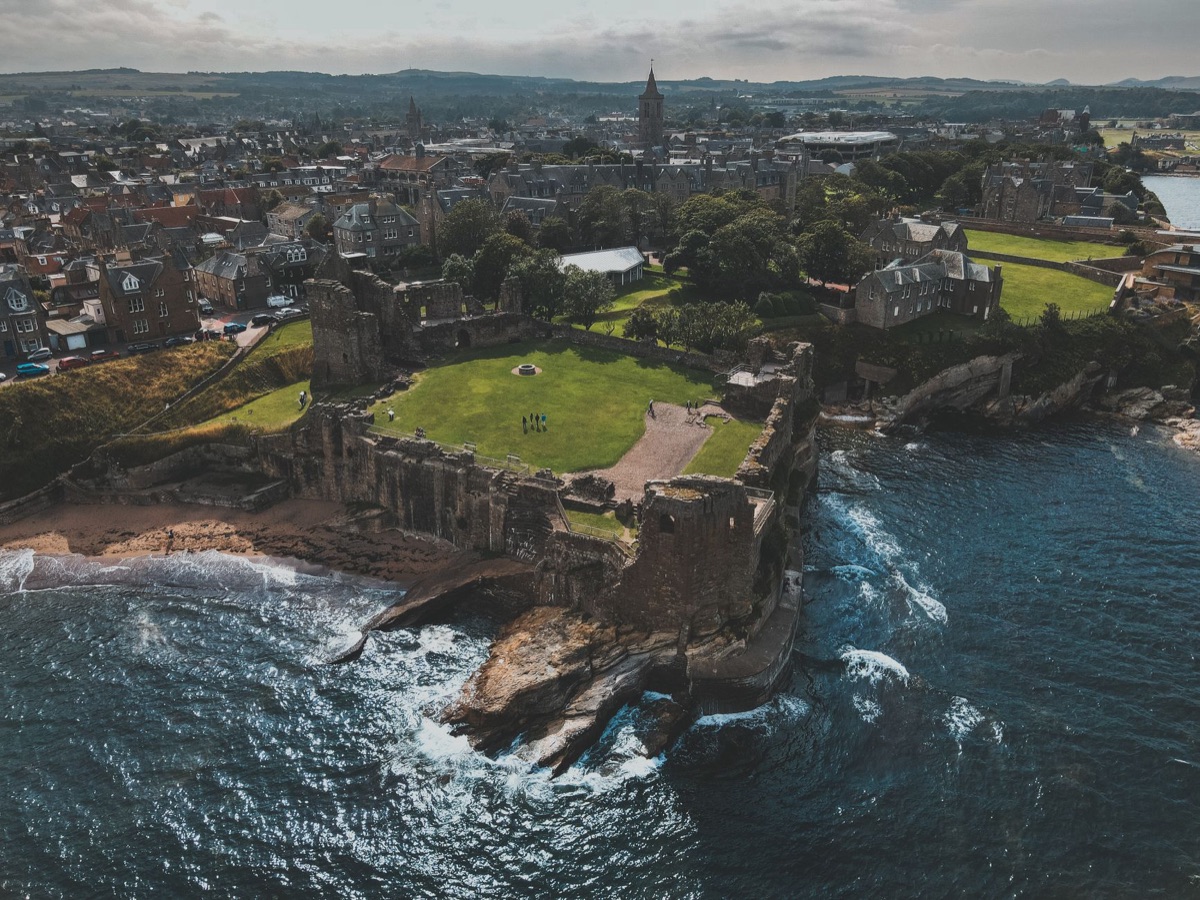
How Do You Conquer the St Andrews Old Course?
Standing on the first tee at the Old Course is an intimidating moment. I still remember the sharp, salty sting of the North Sea wind hitting my face during my last visit in 2025.
The unnerving firmness of the sandy turf under my spikes was a shock compared to the soft greens back home. The scenery near the Swilcan Burn on the 7th hole is breathtaking, but don't let it distract you.
To survive the legends, follow these steps:
- Master Wind Calculation: On a links course, the wind is your primary opponent. Always account for gusts and consider taking one or two extra clubs.
- Keep the Ball Low: Avoid high, floating shots that the wind can catch. Practice "punch shots" to maintain control under the breeze.
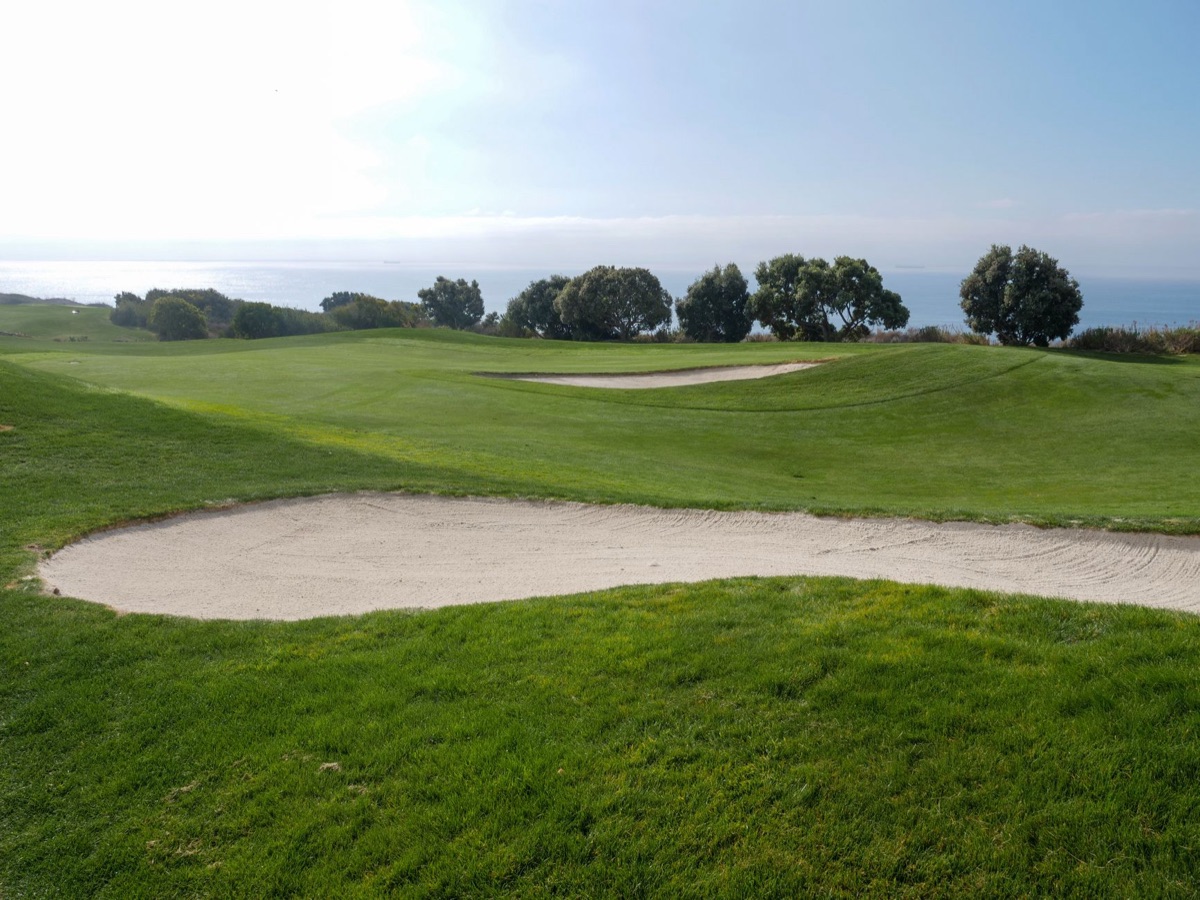
- Manage Your Bunkers: The bunkers here are deep and notoriously difficult to escape. Prioritize getting close to the green rather than forcing a risky shot at the pin.
| Feature | Standard US Resort Course | St Andrews (Links Style) |
|---|---|---|
| Primary Terrain | Manicured grass & water hazards | Sand dunes & rugged rough |
| Wind Impact | Minimal to moderate | Decisive and extreme |
| Green Complexity | Smooth and predictable | Irregular and undulating |
| Club Selection | Based primarily on distance | Based on wind and terrain |
What Makes a "Links" Course So Difficult?
Most of Europe's most prestigious courses are built on "links" land—the sandy strips between the ocean and farmland. These courses weren't designed by architects so much as they were shaped by nature.
First, there is the firmness of the ground. Because the soil is incredibly sandy, water drains almost instantly. This creates very hard fairways where the ball will "run" significantly after landing.
Second, the rough is unforgiving. Unlike the soft grass found at many American clubs, links rough is often thick, dry, and wiry. If you miss the fairway, your clubhead is likely to get snagged.
Finally, the visual deception is real. The vast landscapes make it difficult to judge distances. You might feel like you have 150 yards, only to find the terrain plays much shorter. Using a local caddie is non-negotiable here.
Top European Classic Courses & Travel Tips
If you are planning a grand tour of Europe's golfing treasures, don't stop at Scotland. Consider these legendary alternatives:
* Scotland (St Andrews Old Course): The ultimate pilgrimage site for every golfer. * Ireland (Old Head Golf Links): A breathtaking course perched on the edge of massive cliffs. * United Kingdom (St George's Hill): For those seeking traditional English elegance.
To ensure your trip goes smoothly, follow this preparation guide:
- Lock in Dates Early: Secure your flights and tee times at least 9 months in advance.
- Pack Smart Gear: Bring wedges that allow for low-trajectory shots to combat the heavy winds.
- Prepare for Four Seasons: In Scotland or Ireland, you can experience rain and sun in one hour. Waterproof gear is a must.
However, keep in mind that these trips come with caveats. The costs can be significantly higher than a standard domestic trip, and the unpredictable weather means you must remain flexible if a round is delayed.
FAQ
세인트 앤드루스 골프 코스 방문을 위해 왜 미리 예약해야 하나요?
세인트 앤드루스 올드 코스에서 성공적으로 플레이하려면 어떤 점을 염두에 두어야 하나요?
현대 골프 여행객들이 왜 전통적인 링크스 코스에 열광하는가요?
Popular posts

4 Tiers of Golf Courses: Find Your Perfect Challenge Level

6 Hole Types Define Victory on Major Championship Layouts

8 Hidden Gems: Why Jeju is Your Next Golf Destination

Comments 0