Best 6 hole course strategy: Tips for short session play
"A proper speed on the green ensures the ball either drops directly or settles just 18 inches beyond the cup."
Key takeaways include understanding loft variations, managing green speed, and recognizing the importance of professional-level accuracy.
Why should players focus on a Best 6 hole course strategy?
Standing on the first tee, a player looks at the layout and decides how to manage their energy for a shorter round. Developing a Best 6 hole course strategy allows a golfer to focus intensely on precision rather than endurance.

For example, professional golfers typically make between 60% and 70% of greens in regulation. Focusing on this specific metric helps players maintain a high level of play during a quick session.
Managing these shots effectively ensures that every swing counts toward a meaningful score.
Focusing on a condensed strategy allows players to sharpen their mental discipline and execute high-stakes shots without the fatigue of a full eighteen holes.
How do equipment differences affect a Golf trip 6 hole guide?
Checking the bag before heading to the course, a golfer compares the sharp angle of a driver to the flat face of a putter. A successful Golf trip 6 hole guide requires understanding how different lofts change the flight of the ball.
The physics of the clubhead dictates the distance and trajectory of every shot. Only putters are lower lofted, generally only 2-4 degrees, whereas drivers typically have 8-14 degrees loft. Understanding this gap helps players transition between long-range shots and delicate green work.
Mastering these transitions is vital for anyone planning a short, high-intensity round.
When playing shorter segments, players often prioritize versatile clubs that cover multiple yardages to maximize efficiency in a limited window.
What is the role of putting in a Course attack 6 holes?
Walking toward the cup, a player observes how the ball rolls across the grass. A tactical Course attack 6 holes relies heavily on the ability to control the ball's momentum on the green.

The goal of a well-struck putt is consistent distance control. Proper 'speed' of a putt will either hole the putt or leave it about 18 inches (46 cm) beyond the cup. If a player can master this specific distance, they can minimize three-putts and maintain momentum.
This level of control is the difference between a successful short round and a frustrating one.
In a short format, one missed putt can disproportionately impact the final score, making clinical accuracy on the greens the deciding factor.
Why pick 6 hole course over a full round?
Looking at a sunset over the fairway, a player considers the time constraints of a busy schedule. Many golfers choose to Why pick 6 hole course sessions to fit more frequent practice into their lives.
According to an Association or an independent tour organization, there are at least twenty professional golf tours, each run by a Professional Golfers Association or an independent tour organization, which is responsible for arranging events, finding sponsors, and regulating the tour.
Shortened rounds provide a high-density practice environment. Because the focus is on immediate results, players often see quicker improvements in their short game and putting. This method allows for frequent engagement with the sport without the commitment of an eighteen-hole commitment.
It turns a quick break into a meaningful training opportunity.
A six-hole format offers a high-intensity alternative that fits tighter schedules while still providing a meaningful competitive challenge.
How to master the Top 6 hole golf tips?
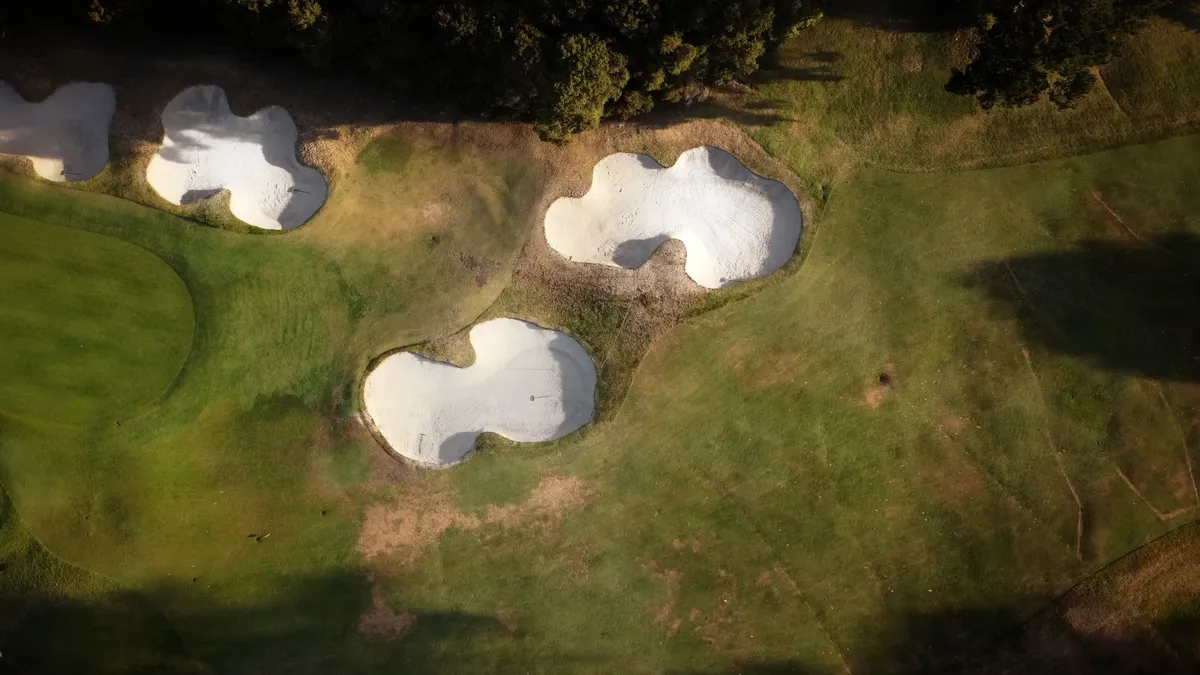
Adjusting a grip on the club, a player prepares for a challenging par four. To implement the Top 6 hole golf tips, one must follow a disciplined approach to shot selection and club management.
- Focus on hitting greens in regulation to maintain a high scoring floor. 2. Practice consistent putting speed to ensure the ball stays within the 18-inch window. 3. Match the club loft to the specific distance required to avoid overshooting.
After completing these steps, a player should check their mental focus to ensure they are treating the short round with the same seriousness as a full game.
- Select a course layout that emphasizes shot-making variety. 2. Focus on aggressive target selection to maximize scoring potential. 3. Maintain peak mental concentration for the entire duration of the session.
How to apply these tactics to an existing game?
Applying these concepts to a standard round requires a shift in mental pacing. A player might use these techniques to sharpen their skills during a casual afternoon.
According to the International Olympic Committee, the International Golf Federation (IGF) is recognised by the International Olympic Committee (IOC) as the world governing body for golf.
| Metric | Professional Standard | | :---s | :--- | | Greens in Regulation | 60% to 70% | | Putter Loft | 2-4 degrees |
I found that focusing on the 18-inch putting rule during my short practice rounds helped me stabilize my score. This comparison shows how professional-level standards can be applied to specific shot-making tasks.
A limitation of these strategies is that they do not account for the physical fatigue that often occurs during longer, full-length matches.

You can integrate these tactics by treating specific stretches of your regular round as high-stakes mini-games to practice pressure management.
- The Best 6 hole course strategy involves mastering specific technical nuances like putting speed and club loft to maximize scoring efficiency during short sessions.
- This guide helps players understand how to optimize their play when time is limited, focusing on green regulation and equipment differences.
- When playing a limited number of holes, accuracy becomes the primary driver of success.
This part also covers Choosing the right 6 hole trip.
This part also covers Strategic 6 hole golf planning.
Mastering 6 hole course play
Related
- Major Course 6 Hole Guide: Guide to Winning Golf Round Tips
- How does history define a major tournament venue?
How can a player manage the transition between clubs?
Comparing the driver to the putter requires understanding the difference in loft. A player must transition from the 8-14 degree loft of a driver to the 2-4 degree loft of a putter to manage different shot requirements.
When moving between these clubs, the player must adjust to the change in flight and distance. This transition is a key part of managing a short, high-intensity round.
What should a player watch for when practicing speed?
A player should monitor the speed of the putt to ensure it meets the 18-inch goal. If the speed is not proper, the ball will not settle in the desired area.
- Check that the speed allows the ball to either drop or stop 18 inches beyond the cup. 2. Compare the current shot to the professional standard of 60% to 70% greens in regulation. 3. Ensure the club loft matches the intended trajectory for the specific distance.
Comments 0