Golf course difficulty guide: Tips for best course selection
"Choosing the right course layout is the difference between a relaxing weekend and a frustrating struggle against the terrain."
Selecting a golf course requires balancing personal skill with the specific environmental and structural challenges of a venue. This guide explores how to evaluate course difficulty, manage expectations during travel, and understand the ecological landscape of modern courses.
Key takeaways include assessing grass height, understanding global distribution, and recognizing environmental certifications.
How to interpret a golf course difficulty guide?
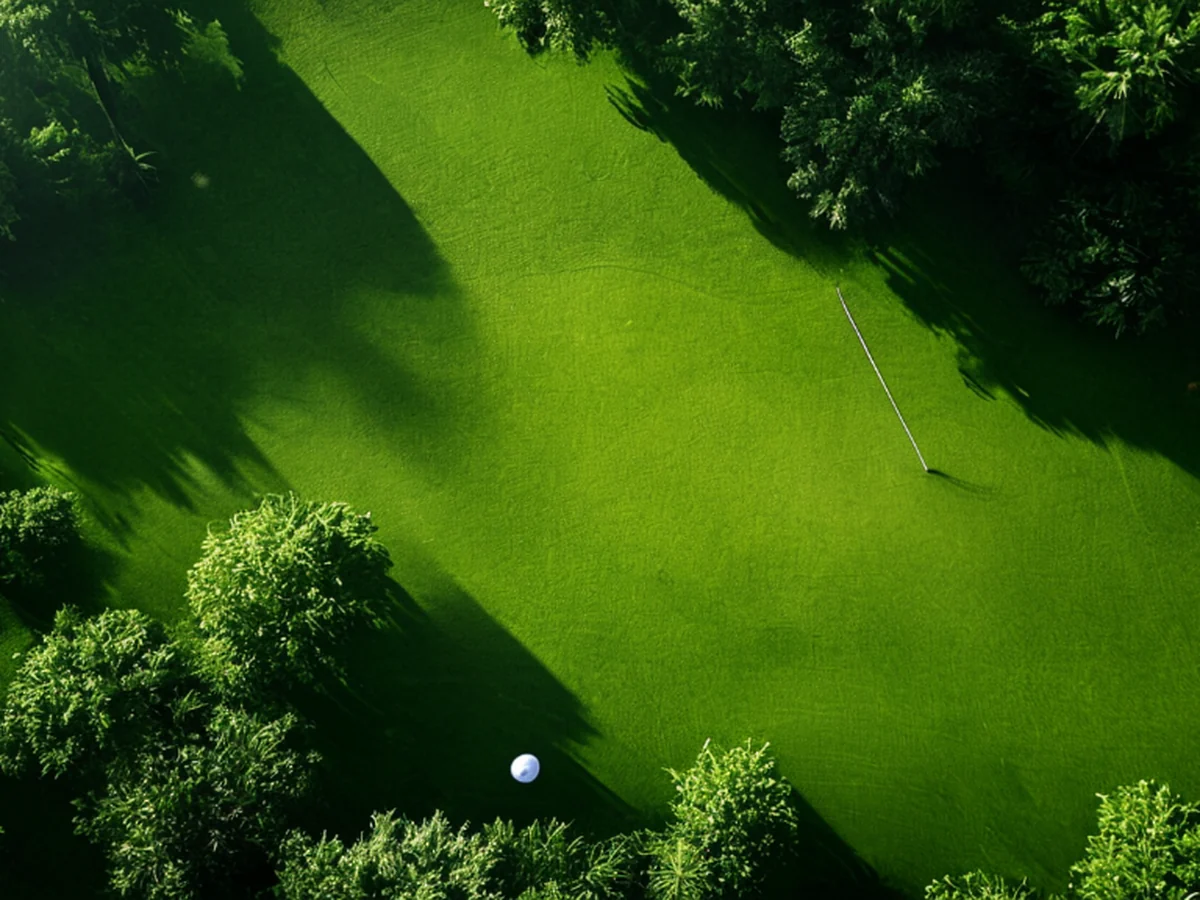
At dawn, I squinted at the printed page while feeling the coarse texture of the grass beneath my feet to better interpret the golf guide.
Walking onto a freshly manicured fairway, the first thing a player notices is the varying texture of the grass. A professional golf course difficulty guide often begins with understanding these subtle ground-level details.
The height of the rough can drastically change the game, as opens often measure 3 to 5 inches high, depending on how close the section of grass is to the fairway or green. When you step onto the grass, you might feel the transition from short, smooth turf to these taller sections.
Understanding these height variations helps players decide how much risk to take with their shots.
What is the best golf course selection strategy?
Planning a trip requires looking at the global landscape of the sport to find the right fit. A smart traveler looks for variety in terrain and layout to ensure a diverse experience.

The United States holds over 40% of all golf courses in the world, providing a massive variety of layouts. This concentration means players can find everything from coastal links to desert courses.
Because the United States has such a high density of courses, finding a specific style of play is easier than in most other regions.
How do you handle course difficulty comparison?
Comparing two different venues requires looking at more than just the length of the holes. You must consider the environmental management and the natural setting of the land.
Between 2007 and 2014, a study conducted on US golf courses found that they decreased their annual nutrient use by 34% for nitrogen, 52% for phosphorus pentoxide, and 42% for potassium oxide. This shift toward efficient nutrient use can change how the turf reacts to weather and play.
When performing a course difficulty comparison, these changes in turf management can affect ball roll and flight.
| Nutrient Type | Percentage Decrease (2007-2014) |
|---|---|
| Nitrogen | 34% |
| Phosphorus Pentoxide | 52% |
| Potassium Oxide | 42% |
I remember checking these types of maintenance trends when deciding which course would offer the most consistent playing surface during my last trip.
What are the best golf trip course tips for travelers?

A successful golf trip depends on understanding where the most quality courses are located globally. Travelers should look at regional concentrations to plan their routes.
A 2019 study revealed that 78% of the world's supply of golf courses are located in 10 countries: the United States, Japan, Canada, England, Australia, Germany, France, South Korea, Sweden and Scotland. Knowing this allows for better planning when choosing a destination.
When you pick a country from this list, you are essentially entering a high-density zone for the sport.
How to focus on choosing golf courses right?
Choosing golf courses right involves looking at the sustainability and the "feel" of the land. Many players now look for courses that balance playability with environmental health.
Audubon International offers an educational and certification program for golf courses to achieve higher environmental standards and become a Certified Audubon Cooperative Sanctuary. This certification can indicate a course that prioritizes ecological balance alongside play.
A player might find that a certified sanctuary course offers a different kind of natural challenge.
Is there a limit to course availability?
As the landscape changes, some courses may no longer exist in their original form. This shift affects the availability of traditional layouts.
In the United States, the American Society of Landscape Architects reported that since 2010 at least 20 defunct courses have been turned into public parks and natural areas. This transition shows that the availability of golf courses is subject to changing land-use needs.
This part also covers How to pick golf course level.
This part also covers Strategy for golf travel.
This part also covers Matching skill to course.
How to pick golf course level
Related
- Why is a course review essential for planning?
- Golf course difficulty guide: How to choose right course
How does environmental management affect choosing the right course? 1. Considering the environmental management practices is a key element when choosing the right course. 2. The reduction in nutrient use between 2007 and 2014 shows a trend toward more sustainable course operation. 3. This shift in nutrient application can alter how the turf responds to weather patterns and player impact. 4. A player evaluating the course should note these management trends when choosing the right course for a consistent experience.
What cautions should travelers keep when choosing the right course? 1. Travelers must be mindful that course availability is subject to evolving land-use demands. 2. The transformation of some courses into public parks illustrates this changing landscape. 3. Understanding the global distribution helps travelers anticipate the type of terrain they might encounter when choosing the right course. 4. Recognizing environmental certifications provides a condition to assess a course's commitment to ecological balance.
When choosing the right course, players should compare the physical attributes with the ecological stewardship demonstrated by the venue. This comparison moves beyond mere hole length to encompass the overall health of the playing environment.
The height of the rough presents a direct physical challenge that influences shot selection. Players must gauge the difference between short, smooth turf and the taller sections to determine the appropriate level of risk when choosing the right course.
Global concentration data informs destination selection, suggesting that focusing on the ten countries mentioned provides the highest probability of finding a specific style of play when choosing the right course.
Wikipedia: Golf course Based on the retained excerpt mentioning American Society of Landscape Architects: In the United States, the American Society of Landscape Architects reported that since 2010 at least 20 defunct courses have been turned into public parks and natural areas.
FAQ
How much can grass height affect play?
Which countries have the highest concentration of courses?
Related posts

Popular posts
4 Tiers of Golf Courses: Find Your Perfect Challenge Level
6 Hole Types Define Victory on Major Championship Layouts
8 Hidden Gems: Why Jeju is Your Next Golf Destination

Comments 0