Golf Courses Guide: Best domestic golf courses tips
Choosing a premier golf course requires understanding specific standards of maintenance, course design, and service quality. This guide explains the essential criteria for selecting top-tier domestic courses and the advantages they offer to players.
* Understanding course design and terrain. * Evaluating maintenance and turf quality. * Recognizing service and facility standards.
Why pick premier golf courses?
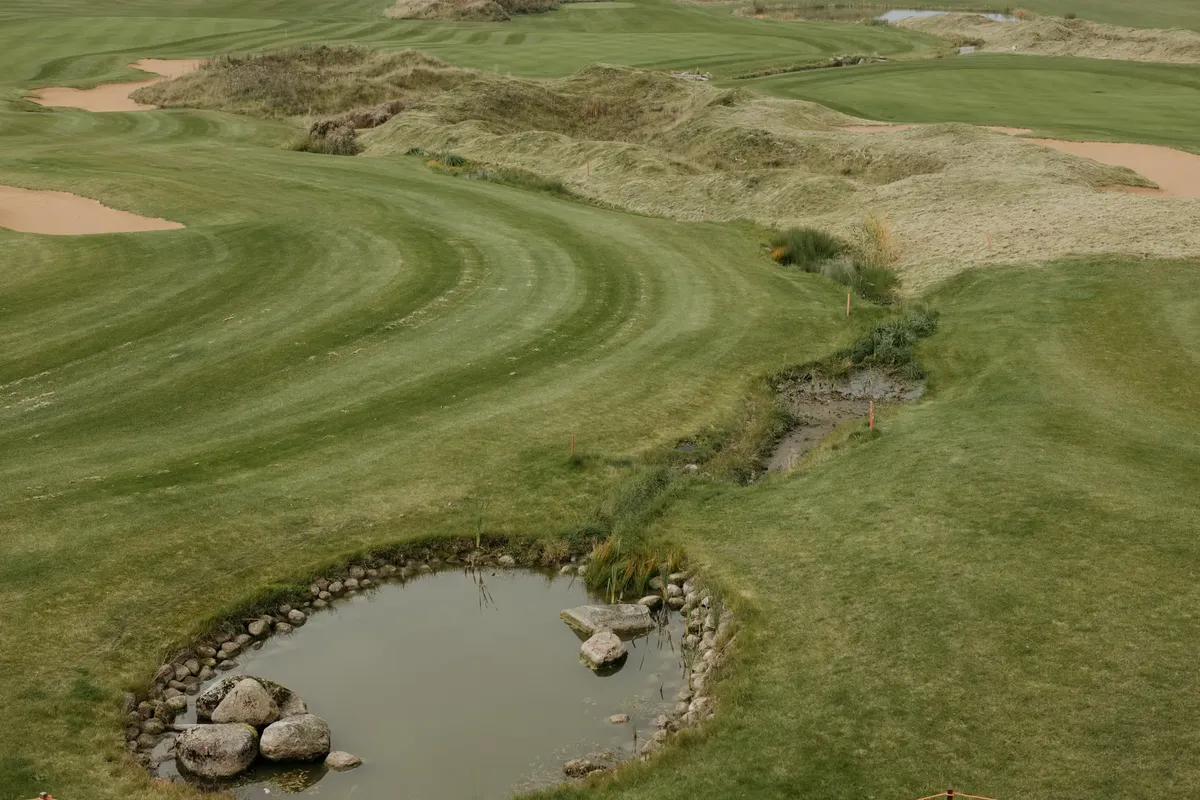
Walking onto a perfectly manicured fairway provides an immediate sense of professional standards. Selecting a top-tier course ensures that the playing surfaces meet high expectations for consistency and challenge.
A great course offers more than just greens; it provides a strategic environment where design meets natural landscape. High-quality courses prioritize sophisticated irrigation, specialized turf management, and challenging layouts that test a player's skill.
When I look for a place to play, I focus on how the architecture interacts with the natural environment. Choosing a premier course often means accessing better-maintained greens and more complex hazards.
The primary advantage is the reliability of the playing conditions. You are paying for a consistent experience where the hazards are fair but demanding, and the turf is kept at professional standards.
However, the premium experience may not be worth the cost if your primary goal is casual practice rather than luxury amenities.
What makes a golf course elite? Best domestic golf courses A player stands at the tee box, looking down a narrow fairway framed by pristine rough. The selection process begins with evaluating the fundamental elements that define a high-end golfing experience.
The first criterion involves the architectural integrity of the course layout. A well-designed course uses natural elevation and hazards to create strategic depth rather than mere difficulty.
Second, the quality of turf management is essential. This includes the health of the greens, the density of the fairways, and the consistency of the sand in bunkers.
Third, the level of service and club amenities must match the course's prestige. This includes everything from caddy expertise to the maintenance of the clubhouse and practice facilities.
| Feature | Standard Requirement |
|---|---|
| Turf Quality | Consistent density and moisture control |
| Design Depth | Strategic bunkering and varying shot angles |
High-end courses often require careful planning regarding seasonal availability and booking windows. These factors are part of the premium experience.

This section's second point is the most detailed.
How do I plan my golf trip to Korea? A traveler arrives at a mountain-side clubhouse, feeling the morning mist on the grass. Planning a trip around specific courses requires understanding the unique characteristics of the local terrain.
Travelers should consider the geographic diversity of courses, such as coastal links or mountainous layouts. This variety allows for a more comprehensive understanding of different playing styles.
It is also important to look at the proximity of amenities. Many premier courses are part of larger resort complexes that provide lodging and dining, making travel more seamless.
Effective planning involves checking the seasonal peak times for each region. Understanding how local weather affects course play is a key part of a successful trip.
- Research seasonal weather patterns to select the best time to visit.
- Coordinate transportation between your accommodation and the various clubhouses.
- Finalize your itinerary based on regional availability.
How to evaluate course difficulty?
A golfer stares at a long, undulating green, calculating the slope and the wind. Evaluating difficulty helps in setting realistic expectations for a round.
Difficulty is often measured by the complexity of the greens and the placement of hazards. A challenging course forces players to manage their distance and shot shape carefully.
The layout's length and the difficulty of the approach shots also contribute to the overall challenge. Some courses focus on long-distance drives, while others emphasize precision.
Understanding whether a course is "player-friendly" or "pro-style" is vital. Some designs favor high-handicap players with wide fairways, while others demand surgical accuracy.
The evaluation process remains subjective and may not apply to players seeking a relaxing round.
Tips for booking and cost management
A person sits in a quiet lounge, checking a booking app on a smartphone. Managing the logistics of a premium round requires foresight and organization.
- Research the specific booking windows for the club. 2. Compare the inclusion of caddy fees or cart rentals in the initial price. 3. Check for seasonal pricing variations to optimize your budget.

After selecting a date, confirm the cancellation policy. This final check ensures you are prepared for any changes in your travel itinerary.
I find that the third step in this process is the most critical for staying on budget.
The subject here is Best domestic golf courses.
The same subject is also called Top Korean golf courses.
The same subject is also called Choose golf course guide.
The same subject is also called Compare domestic golf.
The same subject is also called Golf trip course picks.
This part also covers Criteria for elite golf courses.
Related
- How does history define a major tournament venue?
- Golf course booking guide: How to manage course cost tips
How does course design influence the playing experience?
The architectural integrity of the course layout dictates the strategic depth encountered by the player. A thoughtfully designed course utilizes natural elevation and existing hazards to build complexity rather than simply increasing the degree of difficulty.
This design element ensures that the challenge is rooted in thoughtful placement and interaction with the land.
Choosing a premier course means engaging with a landscape where design principles merge with the natural setting. The way the architecture interacts with the environment dictates the flow of play and the types of shots required.
This interaction is a core component of the premium experience offered by these venues.
The impact of design is limited when playing conditions like wind or turf quality are poor.
What conditions signal superior turf quality?
Superior turf quality is evidenced by consistent density across the playing surfaces. Moisture control must be maintained throughout the season to support this density. Evaluating the sand in bunkers also falls under this essential aspect of turf management.
The consistency of the fairways and the health of the greens are direct indicators of the maintenance standards employed. High-end courses demonstrate that their turf is kept at professional standards through diligent care.
This consistent surface allows players to focus on strategy rather than surface imperfections.
When considering choosing a premier course, one must weigh the design depth against the turf quality. A course might possess intricate design, but poor turf will undermine the intended strategic challenge. The reliability of the playing conditions hinges on both elements being expertly managed.
FAQ
What defines a premier golf course?
How can I plan a successful golf trip?
Popular posts

4 Tiers of Golf Courses: Find Your Perfect Challenge Level

6 Hole Types Define Victory on Major Championship Layouts

8 Hidden Gems: Why Jeju is Your Next Golf Destination

Comments 0